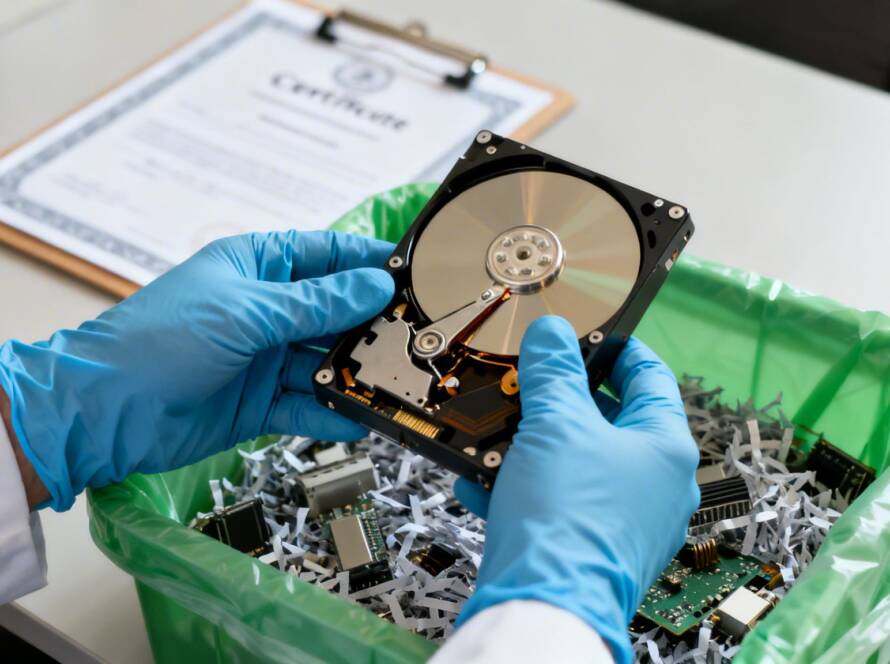


For a small law firm, hiring a generic IT company is a bit like asking your family doctor to handle complex brain surgery. The intentions might be good, but the specific expertise just isn't there—and in the legal field, that kind of mismatch is a recipe for disaster. IT support for small law firms isn't some gold-plated luxury; it's a core requirement for protecting your clients, staying compliant, and keeping your practice afloat.
Why Specialized IT Support Is Non-Negotiable

Think about all the digital information your firm handles: case files, privileged client emails, financial records, and discovery documents. This isn't just data; it's a digital vault holding your most sensitive assets. A standard IT provider might put a decent lock on the door, but they won't understand the ethical minefield you navigate daily. They don't know about chain of custody, the absolute duty of confidentiality, or the specific tactics hackers use to target lawyers.
A one-size-fits-all IT strategy is professional malpractice waiting to happen. It exposes your firm to risks that generic tech support simply isn't trained to see, let alone prevent.
The Unique Vulnerabilities of Legal Work
The threats aimed at small law firms are dangerously specific. Cybercriminals are smart—they know that legal practices are treasure troves of high-value information. They aren't just sending out random viruses; they’re crafting sophisticated attacks designed to exploit the everyday communications and workflows of legal professionals.
These targeted threats often look like this:
- Spear-phishing attacks where an email that looks like it's from a client or opposing counsel tricks you into wiring funds to a fraudulent account.
- Ransomware that seizes your entire case management system, encrypting every file and holding your practice hostage until you pay up.
- Data breaches that leak confidential client information, which can lead to reputational ruin and serious ethical violations.
In the legal profession, a data breach isn't just a technical glitch—it's an ethical crisis. Failing to properly safeguard client information can trigger sanctions from the state bar, destroy client trust, and result in massive financial liabilities.
The High Stakes of Inadequate Support
The cybersecurity threat for law firms is very real and getting worse. For every 1,000 law firms in the U.S., an estimated 200 will face a cyberattack in any given year. What’s even more alarming is that 60% of those firms don't have insurance to cover their losses. The average cost of a data breach for a small firm is a staggering $36,000, a figure that could easily cripple a solo or boutique practice. You can read more about the cyberattack risks facing law firms to get a sense of the full threat.
This is exactly why specialized IT support is so critical. A partner who lives and breathes the legal industry acts as an expert guard for your digital vault. They aren't just a vendor; they're an essential part of your risk management team, implementing security that aligns with your ethical duties and providing a rapid response when things go wrong. Choosing generic support is a gamble your firm simply can't afford to take.
The Foundational IT Services Every Law Firm Needs
You don't need a computer science degree to understand your firm's technology needs. It's much simpler than that. Think of these services as specialized team members, each hired to protect and support your ability to practice law. Without them, your firm is wide open to risks and inefficiencies that hit your bottom line and, frankly, your ethical obligations.
Getting the right mix of IT services is like having a digital support staff working behind the scenes. They handle the tech so you can stay focused on billable hours, client strategy, and actually growing your practice. Let's break down what these core components of it support for small law firms really mean for your day-to-day operations.
Managed IT Services: Your Digital Paralegal
Imagine having a paralegal who works 24/7, never takes a vacation, and spots problems before they can disrupt a case. That’s the core idea behind Managed IT Services. Instead of calling for help after a computer crashes or the network goes down (the old "break-fix" model), a managed service provider (MSP) proactively keeps your entire tech infrastructure running.
Here’s what that looks like in practice:
- Constant System Monitoring: Your MSP acts as a constant watchdog for your servers, computers, and network. They can spot a failing hard drive or a security weakness long before it causes a firm-wide meltdown.
- Proactive Maintenance: They take care of all the critical but time-consuming upkeep—software updates, security patches, and system tune-ups—to ensure your tools are always secure and running at peak performance.
- Predictable Budgeting: You pay a flat monthly fee for this total oversight. This turns chaotic, unpredictable IT repair bills into a stable and manageable operational expense.
This approach stops minor tech glitches from snowballing into major crises that can grind your billable work to a halt for hours, or even days.
Advanced Cybersecurity: Your Virtual Courthouse Security
A courthouse has security guards and controlled access for a reason—to protect the people and the integrity of the proceedings. Your firm's data requires the same level of robust, digital security. Advanced Cybersecurity is much more than just standard antivirus software; it's a layered defense strategy built to counter the specific threats that target law firms.
Think of it as your own virtual courthouse security, controlling who gets in and what they're allowed to touch. A crucial first step is getting your sensitive data organized with the right tools, like the best legal case management software. From there, your cybersecurity service guards that data with firewalls, intrusion detection systems, and advanced threat protection that can identify and shut down sophisticated phishing scams or ransomware attacks before they do damage.
Secure Backups and Encryption: Your Digital Safe Deposit Box
Ask yourself a tough question: what would happen if a fire, flood, or major server crash hit your office tomorrow? If you don't have a rock-solid backup strategy, the answer is devastating. Secure cloud backups are your off-site, fireproof evidence locker, making sure your critical data is always safe and, most importantly, recoverable.
A reliable backup isn't just a copy of your files. It’s a complete, encrypted, and easily restorable snapshot of your entire practice. When a disaster or a ransomware attack happens, it's the one thing that guarantees you can get back to work quickly.
On top of that, data encryption is non-negotiable. It works by scrambling your sensitive documents into an unreadable code. If a lawyer's laptop is stolen from their car, encryption ensures the confidential client files on it are completely useless to the thief. This is an absolute cornerstone of fulfilling your ethical duty of confidentiality. For a more in-depth look at this, you can learn more about how data backup solutions for small business are vital for survival.
Finally, a modern Voice over IP (VoIP) phone system acts as a secure and flexible communications hub. These systems offer features that are perfect for a law firm, like call recording for compliance, easy integration with your case management software, and the ability to take client calls from anywhere. You'll never miss an important conversation again.
How to Navigate the Legal Tech Modernization Challenge
For many small law firms, the constant push to "modernize" can feel like a no-win situation. You know you need to adopt new technologies like AI and cloud software to keep up, but you're also wrestling with tight budgets, packed schedules, and the very real challenge of changing how your team has always worked. It’s a conflict that often leads to inaction, leaving you feeling stuck while other firms pull ahead.
The secret is to stop thinking of it as a massive, all-or-nothing overhaul. It's more like renovating a historic courthouse. You wouldn't just tear it down; you’d preserve the solid foundation—your firm’s expertise and values—while carefully upgrading the electrical, plumbing, and security systems that make it functional. A good IT partner doesn’t just show up with a sledgehammer; they help you draft the blueprints for a smart, manageable renovation.
A Phased Approach to Modernization
Trying to do everything at once is a classic recipe for blowing your budget and burning out your staff. A much smarter strategy is to break the project down into a series of deliberate, sequential upgrades. This way, your firm gets to see real benefits at each step, which makes it far easier to get everyone on board and justify the next phase of investment.
For instance, a great first step is often moving all your documents to a secure, cloud-based platform. That single change dramatically improves your security and makes it possible to work from anywhere, all without completely upending your core case management workflows. Once that’s done, you can start layering in more powerful tools.
A logical path might look something like this:
- Phase 1: Secure the Foundation. The first priority is getting your documents into a compliant cloud storage system. This immediately protects your most valuable assets and enables secure remote access for your team.
- Phase 2: Streamline Daily Operations. Next, you can implement a modern practice management suite. This brings your case files, calendars, and billing into one central hub, cutting down on administrative busywork.
- Phase 3: Enhance Client Communication. Finally, upgrading to a VoIP phone system can tie everything together, integrating with your other software and giving your attorneys the flexibility they need.
At its core, this entire process is about protecting and managing your data effectively.

This simple flow shows how managing, securing, and backing up your firm’s data are interconnected—get one wrong, and the others are at risk.
Overcoming Budget and Cultural Hurdles
Let’s be honest: the biggest roadblocks are almost always cost and a natural resistance to change. These aren't just feelings; the data backs it up. Many firms want to modernize, but they face very real obstacles.
Modernization Priorities vs. Adoption Barriers for Small Law Firms
| Technology Priority (2026) | Primary Adoption Barrier | How a Managed IT Partner Helps |
|---|---|---|
| AI & Automation (e.g., for document review) | Cost (50%+ of firms) | Designs scalable, phased deployments that fit the budget. |
| Cloud-Based Practice Management | Staff Resistance (30% of firms) | Provides hands-on training and ongoing support to ensure adoption. |
| Advanced Cybersecurity Tools | Lack of In-House Expertise | Acts as your dedicated security expert, managing and monitoring tools. |
These numbers show the disconnect: firms see the need for technology but get stopped by practical barriers. That gap is precisely where specialized IT support for a small law firm becomes so valuable. A partner who knows the legal world understands these constraints intimately.
A great IT partner acts more like a change management consultant than a simple tech installer. They’ll work with you to design solutions that grow with your firm, provide thorough team training, and make sure new tools are integrated smoothly, turning what feels like a headache into a real competitive advantage.
By mapping out a clear, step-by-step plan, an IT partner demystifies the entire process. For additional context on integrating new tools, you might find a comprehensive guide for legal professionals helpful.
It’s about showing the partners a manageable, budget-friendly path to a more efficient and secure practice. You can explore our own approach in our guide on legacy system modernization strategies.
Meeting Your Ethical and Compliance Obligations

For a lawyer, "compliance" isn't a vague corporate buzzword; it's the bedrock of your license to practice. The rules governing your data are strict, unforgiving, and failing to meet them isn't just an IT hiccup—it can be a serious ethical breach that leads to state bar sanctions or even a malpractice claim.
This is precisely where specialized IT support for small law firms stops being a technical expense and becomes a strategic necessity. Your IT partner needs to be your first line of defense, someone who understands the rules you live by and can configure your technology to uphold them by default.
Translating the Duty of Technology Competence
The American Bar Association (ABA) Model Rule 1.1 doesn't mince words. It mandates that lawyers maintain competence, which explicitly includes understanding the "benefits and risks associated with relevant technology." This isn't a suggestion anymore. It’s a core professional duty that state bars are actively enforcing.
So, what does this "duty of technology competence" look like in the real world? It means every tech decision you make carries ethical weight.
- Email Security: Sending an unencrypted email with sensitive client details is the digital version of shouting case strategy across a crowded coffee shop. It's a failure of your duty to protect client confidentiality.
- File Storage: Using a personal, consumer-grade cloud account (like a free Dropbox plan) for case files is a big no-no. It lacks the security, audit trails, and control needed to properly safeguard client data.
- Remote Access: When an attorney connects to your firm’s network from an unsecured public Wi-Fi without a VPN, they're leaving the door wide open for snoops and data thieves.
Your ethical duties don't just vanish because the information is digital. In fact, the risks are often magnified. A great IT partner understands these scenarios and builds a technological safety net to prevent these accidental violations from ever happening.
Key Compliance Areas Your IT Partner Must Manage
Beyond the general duty of competence, a few specific regulations demand expert technical management. A knowledgeable IT provider can help your small law firm navigate these complexities, turning abstract legal risks into manageable, automated processes.
HIPAA Compliance
If your firm ever touches personal injury, medical malpractice, or any case involving Protected Health Information (PHI), you're bound by the Health Insurance Portability and Accountability Act (HIPAA). This isn't just for hospitals. Your IT systems must be configured to ensure:
- Access Controls: Only authorized staff can view medical records. Period.
- Data Encryption: All PHI is unreadable, both when it’s sitting on a server (at rest) and when it's being sent over the internet (in transit).
- Audit Logs: A clear, detailed record shows who accessed PHI and when.
Data Retention Policies
How long do you need to keep old case files? What about emails and other client communications? Without a formal policy, you're just guessing. Your IT partner can help implement a firm-wide data retention policy, ensuring you meet legal requirements while also securely destroying data when it’s no longer needed, which actively reduces your firm’s liability.
ESI and E-Discovery Readiness
The moment a litigation hold is issued, you have a legal duty to preserve all relevant Electronically Stored Information (ESI). A good IT partner makes this possible without causing a firm-wide panic. They can quickly implement holds, prevent accidental data deletion (spoliation), and help you defensibly collect the requested information. This readiness can save you from massive legal headaches and potential court sanctions down the road.
Ultimately, your IT support provider is much more than a vendor who fixes printers. They are a critical ally in risk management, helping you keep your ethical promises to clients in every click, email, and saved file.
Keep your business running without IT headaches.
GT Computing provides fast, reliable support for both residential and business clients. Whether you need network setup, data recovery, or managed IT services, we help you stay secure and productive.
Contact us today for a free consultation.
Call 203-804-3053 or email Dave@gtcomputing.com
.
A Practical Checklist for Choosing Your IT Partner
Choosing an IT provider is one of the most important decisions your small law firm will ever make. Think about it: this isn't like picking a vendor for office supplies. Your IT partner will have the keys to the kingdom—access to your client data, confidential communications, and financial records. Getting this choice right lays a solid foundation for security and growth. Getting it wrong can open the door to catastrophic risk.
You need a practical way to evaluate potential providers and cut through the sales pitches to get the answers that actually matter. This isn't about finding the cheapest option. It’s about finding a true strategic partner who understands the unique pressures and obligations of practicing law.
Experience and Legal Industry Expertise
Your very first filter should be legal-specific experience. An IT company that mostly serves retail shops or restaurants simply won’t grasp your ethical duties or know the first thing about the software you rely on. You need a provider who has already walked this path with firms just like yours.
Start by asking these direct questions:
- Do you have hands-on experience with legal software? Get specific. Mention the tools you use every day, whether it’s Clio, MyCase, PracticePanther, or TimeSolips. A partner who already knows this software can solve problems in minutes, not days.
- Can you provide references from other small law firms? Don't settle for a simple "yes." Ask to actually speak with them. This is the best way to get a real-world account of their performance and responsiveness when things get tough.
- How do you keep up with legal tech and compliance rules? A great partner is always looking ahead. They should be able to talk confidently about the ABA's duty of technology competence and the ever-changing landscape of data privacy laws.
If a provider fumbles or gives you vague answers here, see it as a major red flag. This is no place for on-the-job training; your practice requires proven expertise from day one.
Understanding Service Levels and Response Times
When your systems go down, your entire practice grinds to a halt. Every minute of downtime is a minute you can't bill, a client you can't contact, or a deadline you might miss. That's why understanding a provider’s Service Level Agreement (SLA) is non-negotiable before you sign anything.
An SLA isn't just a document of promises; it's a binding contract that spells out the provider's obligations. It’s your primary tool for holding your IT partner accountable for keeping you up and running.
Dig into the details of their SLA with these questions:
- What are your guaranteed response and resolution times? "Response" is how quickly they acknowledge the problem. "Resolution" is how quickly they promise to fix it. You need firm numbers, not wishy-washy assurances like "as soon as possible."
- How do you handle after-hours or weekend emergencies? Legal work doesn't neatly fit into a 9-to-5 box. Make sure they have a clear, reliable process for urgent support when you're burning the midnight oil.
- What are the financial penalties if you fail to meet the SLA? A reputable provider stands behind their promises. If they aren’t willing to offer service credits or other penalties for missing their guarantees, then those guarantees aren't worth much.
Demystifying Pricing Models
Finally, you have to get a firm grip on how they'll bill you. The cost structure says a lot about a provider's entire philosophy. Most models fall into one of two camps, and they have wildly different impacts on your firm.
| Pricing Model | How It Works | The Hidden Risk for Law Firms |
|---|---|---|
| Reactive 'Break-Fix' | You pay an hourly rate for service only when something is broken. | This model creates a direct conflict of interest. The provider only makes money when your technology fails, giving them zero incentive to prevent problems in the first place. |
| Proactive 'Managed Services' | You pay a flat, predictable monthly fee for ongoing monitoring, maintenance, and support. | The monthly cost might seem higher at first, but it aligns the provider's goals with yours. They are now motivated to keep your systems running smoothly to minimize their own workload. |
A predictable monthly fee for managed services is more than just an expense; it’s a strategic investment in stability and security. It shifts your IT from a source of frustrating, surprise bills into a reliable, budgeted operational cost. For more guidance on making the right choice, our guide on how to choose a managed service provider offers additional valuable tips.
Keep your business running without IT headaches.
GT Computing provides fast, reliable support for both residential and business clients. Whether you need network setup, data recovery, or managed IT services, we help you stay secure and productive.
Contact us today for a free consultation.
Call 203-804-3053 or email Dave@gtcomputing.com
.
Frequently Asked Questions About Legal IT Support
Even when you see the clear benefits, bringing in a specialized IT provider can feel like a big leap. It’s completely normal for partners to have some lingering questions about the practical side of things—cost, disruption, and whether it’s really necessary for your practice. Let's walk through those common concerns to clear up any final doubts.
Think of professional it support for small law firms as an investment in your firm's stability and security. Let's clarify what that investment actually looks like day-to-day.
Is Managed IT Really Affordable for a Solo or Small Firm?
Yes, it is. The trick is to stop thinking of IT as a random, unpredictable expense and start treating it like a fixed operational cost—just like your rent or malpractice insurance. Proactive managed IT services are designed to prevent the very things that cause massive, unexpected bills, like a server crash or a data breach. Fixing those emergencies after the fact will always cost you more than the monthly service fee.
Good providers offer scalable plans that fit your firm’s exact size and needs. This means you’re not paying for a bunch of services you don’t use, but you still get the same level of protection as a larger firm. Honestly, the cost of just one serious security incident—both in dollars and damage to your reputation—can easily wipe out what you would have spent on years of proactive IT support.
The real question isn't whether you can afford managed IT. It's whether you can afford the catastrophic cost of unexpected downtime, a data breach, or an ethics violation because your technology wasn't up to par.
Will Migrating to a New IT System Disrupt Our Practice?
A professional IT partner’s reputation is built on making any transition as smooth and invisible as possible. Their number one goal is to avoid disrupting your firm.
It all starts with a thorough discovery phase, where they learn your current workflows, the software you rely on, and how your team operates. With that blueprint, they create a phased rollout plan. The heavy lifting—like a server migration or a full network upgrade—is intentionally scheduled for nights or weekends. This whole strategy is built around protecting your billable hours. A crucial part of this process is also hands-on training for your entire staff, making sure everyone is comfortable and ready to go from day one.
We Use Antivirus and Dropbox. Isn’t That Enough?
While using basic antivirus software and a tool like Dropbox is certainly better than nothing, it falls dangerously short of what a law firm truly needs. These consumer-grade tools just don't have the robust features required to protect sensitive client data and meet your ethical and legal obligations.
Specialized legal IT support gives you a multi-layered defense. Instead of just one or two basic tools, you get a full security stack that includes:
- Managed Firewalls that act as a gatekeeper for your network traffic.
- Advanced Threat Detection that can spot and neutralize sophisticated cyberattacks.
- Compliant Cloud Solutions built for business, complete with audit trails and access logs.
- Secure Email Encryption to ensure attorney-client privilege is protected every time you hit "send."
This kind of professional-grade setup is designed from the ground up to handle the specific risks that law firms face every single day.
Keep your business running without IT headaches.
GT Computing provides fast, reliable support for both residential and business clients. Whether you need network setup, data recovery, or managed IT services, we help you stay secure and productive.
Contact us today for a free consultation.
Call 203-804-3053 or email Dave@gtcomputing.com
.
Ready to Talk About Your Firm's IT?
If you're tired of dealing with tech headaches and want to ensure your firm is secure, compliant, and running smoothly, it's time for a conversation.
We can help you navigate the complexities of legal IT, from network setups and data recovery to fully managed services. Let's talk about what your practice needs to stay protected and productive.
Reach out today for a complimentary consultation. You can call us directly at 203-804-3053 or send an email to Dave@gtcomputing.com.
Keep your business running without IT headaches.
GT Computing provides fast, reliable support for both residential and business clients. Whether you need network setup, data recovery, or managed IT services, we help you stay secure and productive.
Contact us today for a free consultation.
Call 203-804-3053 or email Dave@gtcomputing.com
.